In This Article
- 01Craft Before Industry
- 02The Interchangeable Parts Revolution
- 03Major Traditions to Study
- 04A Collector’s Working Method
- 05Questions Worth Asking
- 06The Human Scale of History
- 07Notes That Become a Record
- 08What to Carry Forward
- 09Compare Before You Conclude
- 10The Value of a Second Set of Eyes
- 11Care Without Erasing the Past
- 12A Note for New Collectors
- 13Keep the Story Accessible
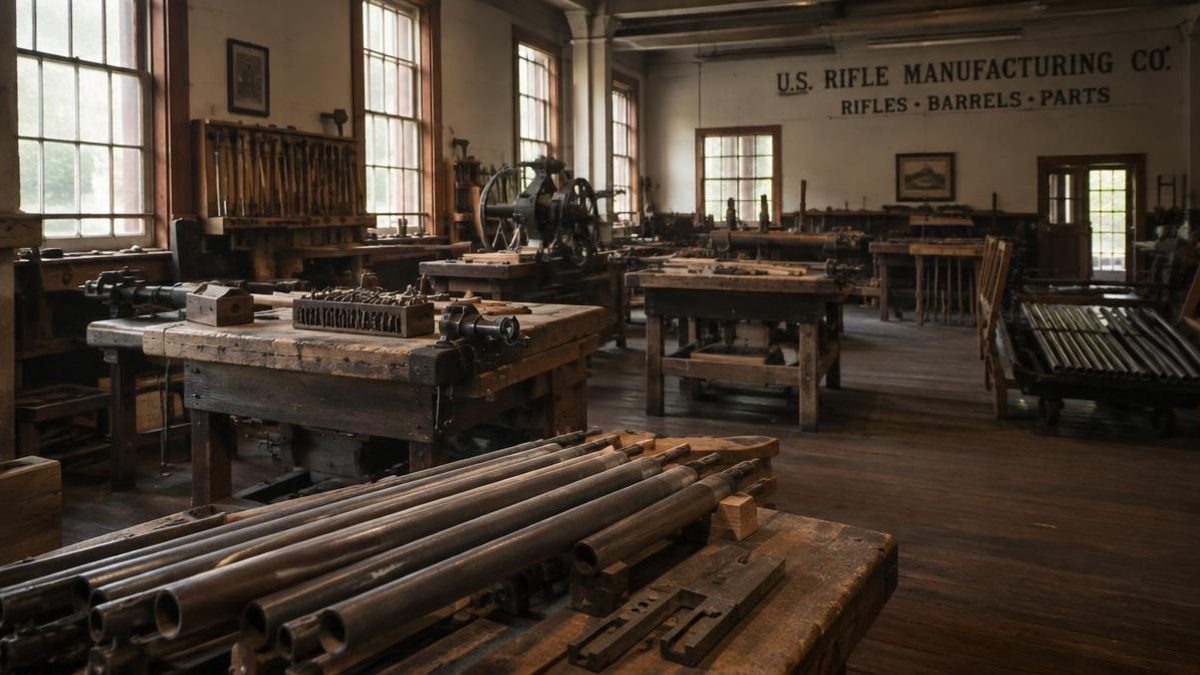
From Connecticut valley workshops to the great arms factories, American gunmaking grew out of craft traditions and interchangeable parts.
From Connecticut valley workshops to the great arms factories, American gunmaking grew out of craft traditions and interchangeable parts.
Craft Before Industry
Early American gunmaking was regional and personal. Gunsmiths worked in small shops, often in the river valleys of Pennsylvania and the Connecticut River corridor, building longrifles to order for individual customers.
The names of those makers survive in the arms themselves. A signed rifle from a known shop is a primary source, and regional characteristics — the shape of the butt, the style of the patch box, the finish of the brass — allow collectors to place unsigned work with reasonable confidence.
The Interchangeable Parts Revolution
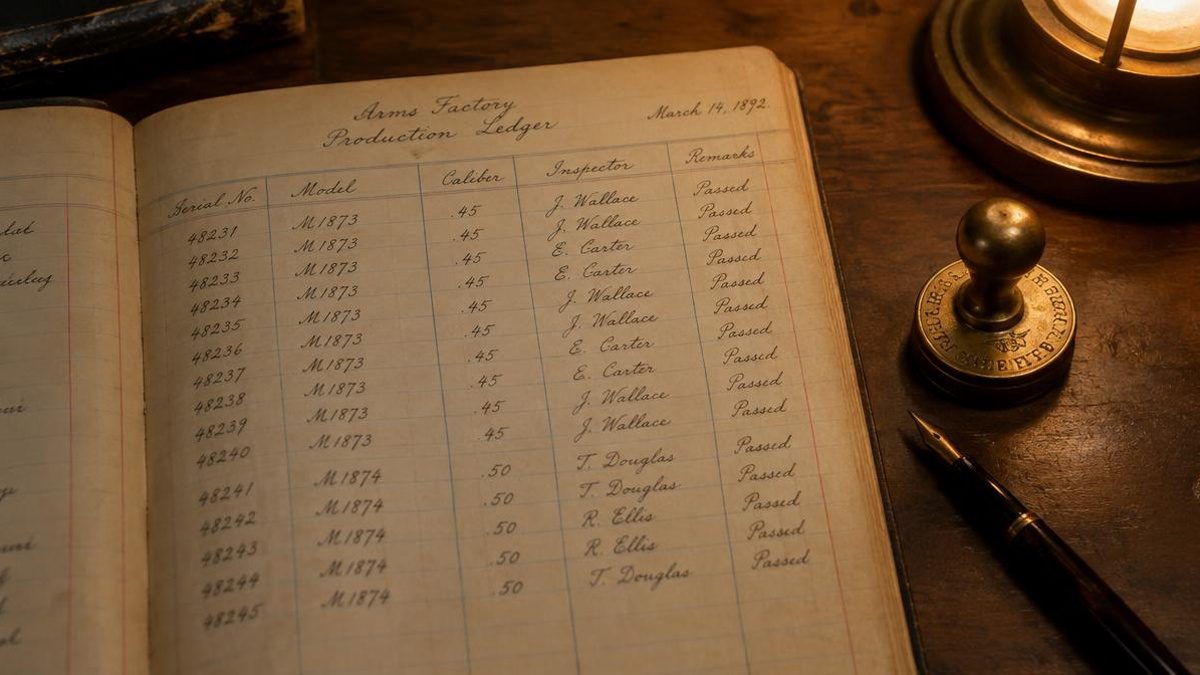
The move toward standardized manufacture changed collecting permanently. When parts became interchangeable, production records became meaningful, and configurations became documentable.
That shift is why collectors of later industrial arms can often reconstruct a specific gun’s original form from factory ledgers, while collectors of earlier handmade arms must rely on connoisseurship and comparison.
Major Traditions to Study
- Pennsylvania longrifle schools and their regional signatures
- New England arms makers and the Springfield tradition
- Colt, Smith & Wesson, and the rise of the revolver industry
- Winchester, Marlin, and the lever-action era
- Small independent makers whose output is scarce and prized
A Collector’s Working Method
The most useful way to study the history of american gunmakers is to move from the general to the specific. Begin with the whole object and its obvious story, then record the details that are easy to miss when a piece is viewed only as a silhouette. Note the materials, the finish, the marks and the way the parts meet. A few quiet minutes with a notebook will often reveal more than a quick search for a matching photograph. Collecting rewards patience because the evidence is usually present, but it rarely presents itself in a single dramatic clue.
Questions Worth Asking
Before adding an example of the history of american gunmakers to a collection, ask what is known, what is assumed and what still needs to be checked. Where did the piece spend most of its life? Which parts are original? Has a repair improved safety while changing historical character? Questions like these do not diminish the pleasure of ownership. They make the pleasure durable. A careful explanation from a seller is helpful, but independent photographs, period references and a second opinion are better protection than confidence alone.
The Human Scale of History
Technical history becomes memorable when it is connected to the people who used, made and cared for the object. A production change may reflect a factory decision, a military requirement or a shooter’s ordinary complaint. Wear can tell us how a firearm was carried, while a replacement part can suggest a long working life rather than neglect. Looking for those human traces keeps the subject grounded. It also helps a new collector understand why two mechanically similar examples can carry very different stories.
Notes That Become a Record
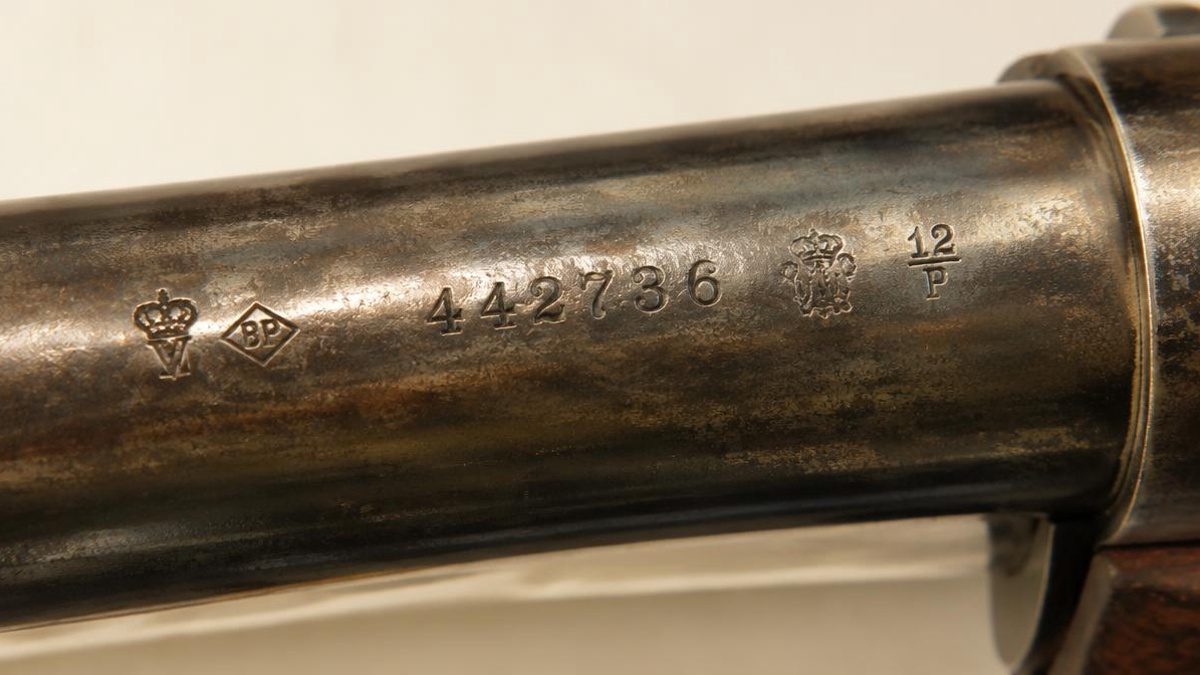
A collection becomes more valuable as a body of knowledge when its records are kept close to the objects. Photograph every marking before cleaning, record measurements in a consistent format and save the source of each identification. If a detail is uncertain, write that uncertainty down instead of filling the gap with a guess. Over time, these notes create a practical archive. They make insurance, conservation and future research easier, and they give the next owner a clear account of what was learned and what remains open.
What to Carry Forward
The lasting lesson of the history of american gunmakers is not a single date or specification. It is a way of looking: respect the original evidence, separate fact from folklore and make decisions slowly enough to be reversed when new information appears. That approach is useful whether the collection is one inherited revolver or a room of documented arms. Good stewardship is modest in appearance, but it is how ordinary objects survive with their meaning intact.
Compare Before You Conclude
One example can mislead, especially when a design changed during a long production run. Compare several documented pieces and look for the details that remain stable as well as the ones that move. A difference in screw shape, sight profile or finish may be a date clue, a factory option or evidence of later work. Comparison keeps enthusiasm honest. It also turns a surprising detail into a reason to research rather than a reason to make a quick claim.
The Value of a Second Set of Eyes
Collectors often develop a favorite way of seeing an object, and that familiarity can create blind spots. Invite another careful person to look at the history of american gunmakers without first telling them what you hope it is. Ask what they notice, what they would photograph and which question they would answer before buying. A second opinion is not a vote; it is a way to surface assumptions. The best conversations leave both people with better questions and a clearer plan.
Care Without Erasing the Past
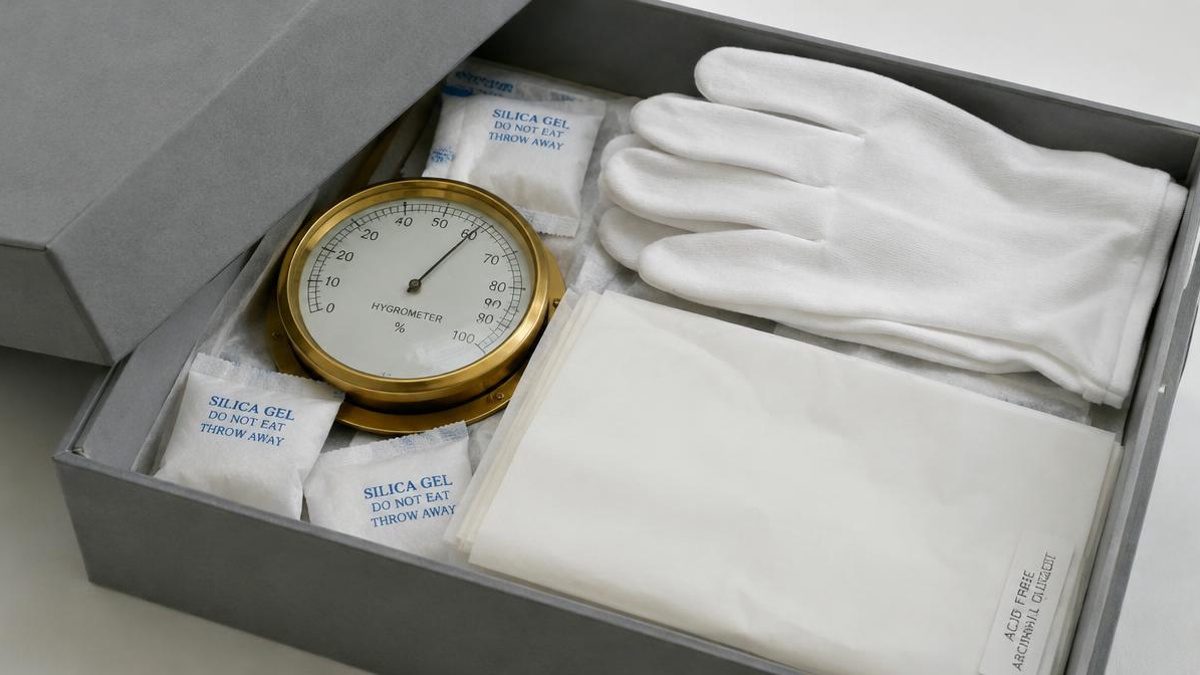
Preservation is a balance between safety and evidence. Remove loose dirt when appropriate, but avoid treatments that make an old surface look new. Keep original screws, tags and paperwork together, even when a repair requires a temporary replacement. Record every intervention with a date and a photograph. Future researchers will be grateful for that honesty, and the object will remain legible as a historical record rather than becoming an anonymous reproduction of an earlier appearance.
A Note for New Collectors
A first purchase does not need to be rare to be meaningful. Choose a piece that gives you something clear to study, from a readable maker’s mark to a well-documented production change. Set a modest budget, leave room for research and resist the pressure to complete a category quickly. A small collection built around questions is stronger than a large one built around impulse. Curiosity is the most reliable tool a collector owns.
Keep the Story Accessible
The strongest collections can be understood by someone who did not build them. Use plain descriptions, identify sources and separate confirmed facts from family tradition. When an object is displayed or shared, explain why its design mattered and what its limitations were. That context respects the past without romanticizing it. It also invites the next generation to take part in the work of preservation, which is how a private interest becomes useful public history.